I transformed my patch of grass into a beautiful food basket. This is the ultimate guide to square-foot gardening.
Before I use square foot gardening (S.F.G.) my idea of gardening was too basic –digging up soil until my shoulders started to turn red and after all that hard work, I finally got three sad looking carrots.
Then I finally adopted the square foot gardening (SFG) system.
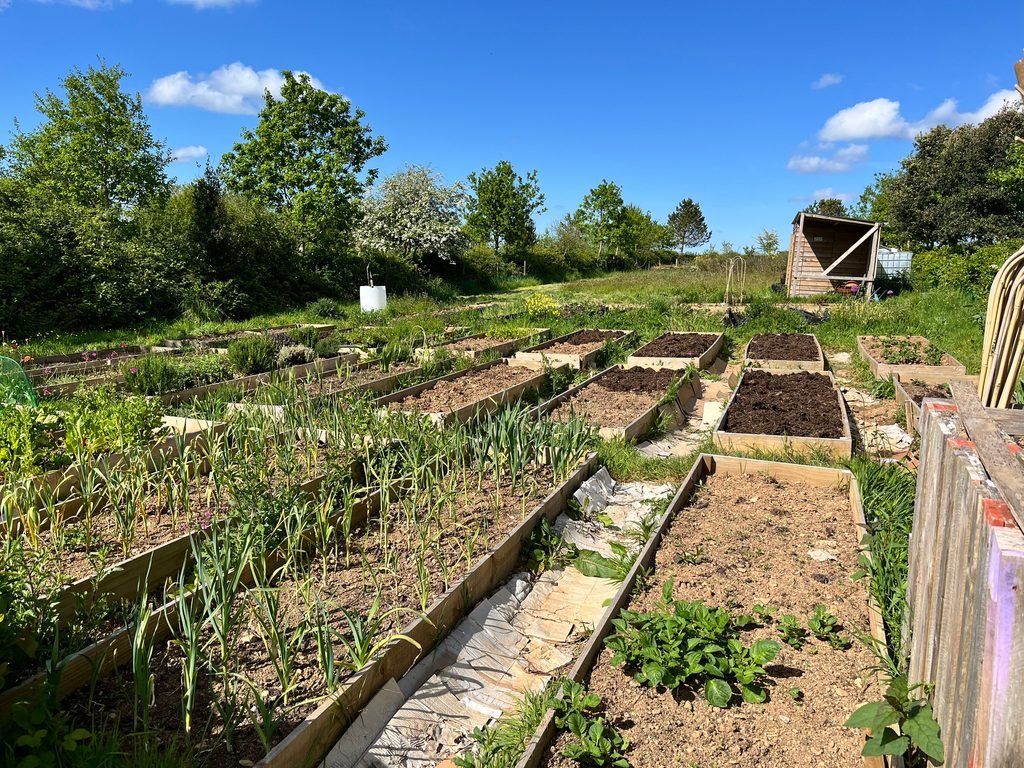
Created by an engineer, Mel Bartholomew, in the 1970s, it completely flips traditional row gardening on its head. This method is extremely useful for lazy urban gardeners like me. This way, you can grow 100% of the food with just 20% space utilization, with low effort and barely any weeding.
Here is the complete step-by-step roadmap of SFG:
Pick the spot and build your frame:
While selecting the spot, forget the traditional way of gardening; you aren’t digging up your backyard; instead, you’re building a raised bed that sits right on top of the grass.
The magic diamention 4 x 4 ft:
Why I Chose a FOUR BY FOUR Layout
I prefer a 4 x 4 layout because it’s easy to maintain and makes crop planning straightforward. For example, in one grid cell I grow legumes, while in another I grow seasonal flowers to attract natural pollinators. It makes the entire garden box effortless to manage.
Material: Redwood or cedar
Because they are naturally rot-resistant and free from chemical but, avoid treated wood from construction sites.
How Much Did the Frame Cost Me?
Honestly, I didn’t spend a single dollar on the frame. I used an old frame sitting in my backyard to maximize the Return on investment of my Square Foot Gardening (SFG) setup. A quick word of caution: avoid using weak or chemically treated old construction site wood. It can deteriorate quickly, contaminate the soil, or attract termites and other pests that could cause serious problems for your garden.
Mel’s Mix (Do not skip this)
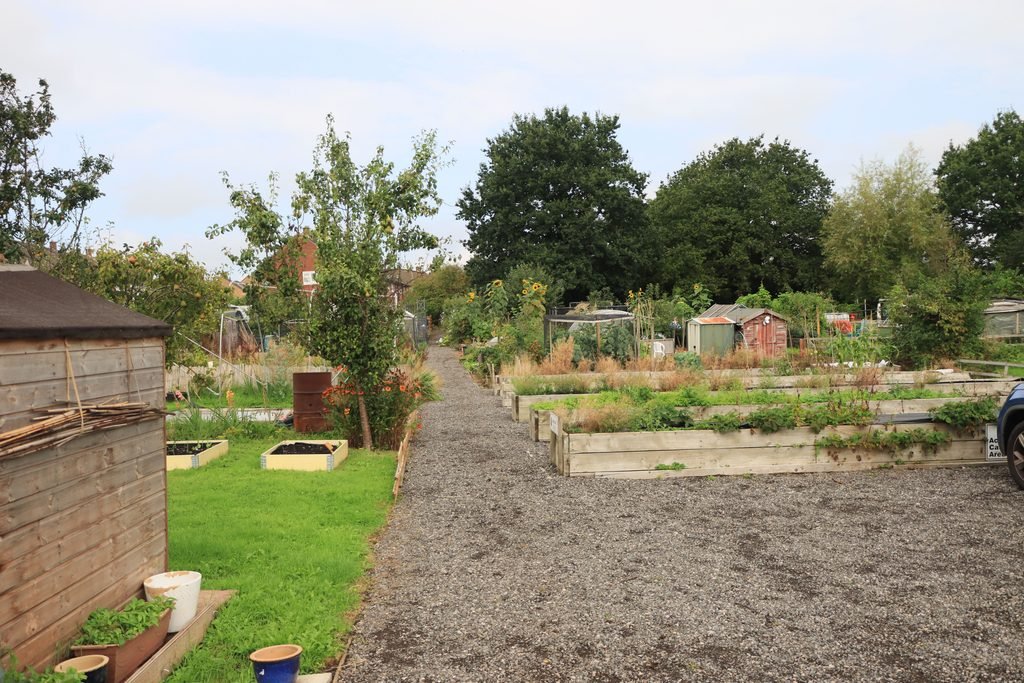
To build my soil mix (Mel’s Mix), I used homemade compost created from kitchen waste collected over 3 months. Most people don’t realize this, but tea leftover plays a huge role in improving compost quality but always wash tea leave before adding them into soil mix if any leftover remains, suger it will attract ants and othet harmful pests. I also incorporated homemade coco coir by grinding dried coconut shells, along with poultry manure and farmyard manure. I originally wanted to add cottonseed meal to the mix, but couldn’t source it at the time. This organic blend significantly elevated my soil quality—completely free of synthetic chemical fertilizers. This mel mix doesn’t provide as many nutrients as chemical supplements can, but it’s an excellent step towards organic farming.
What I Planted in Each Square
When I first set up the system, I planted tomatoes, potatoes, and peppers. I chose these crops because they are easy to grow, making them perfect for testing whether a new setup works. They are all thriving.
Challenges I Faced During SFG
As the plants started growing, I ran into a few issues. The bed structure didn’t hold its form well, and moisture built up at the bottom of the frame, causing fungus and sticky patches—especially when harvesting root crops. Some of my carrots got stuck near the bottom of the frame. During the trellising/stalking phase, soil compaction made root development difficult, causing the plants to outgrow their space faster than expected. Since I prefer not to use synthetic chemicals, I had to deal with several pest issues after two months.
It entirely depends on a lightweight, porous, and nutrient-rich soil blend known universally as Mel’s Mix. It will retain moisture and drain well, which supports healthy plant without synthetic chemicals.
6 Tips to Avoid These Mistakes:
- Remove Debris: Remove stones, debris, and plastic from the soil before setting up your frame; it will enhance the strong foundation.
- Prevent Weeds: Secure the frame close to the soil and line the bottom with newsprint or cardboard to block initial weed growth.
- Avoid Native Soil: Don’t use untreated native soil in your mix—it introduces weed seeds, soil-borne pests, and potential natural toxins on new plants.
- Mind the Fill Line: Don’t fill the cells all the way to the rim; leave a 1–2 inch gap to prevent soil overflow and prevent soil erosion during irrigation.
- Prune Regularly: Remove older, unproductive leaves and dense foliage to improve airflow and prevent crowd shading.
- Reserve Space for Pollinators: Reserve at least two cells for native plants and seasonal flowers to attract pollinators and boost yields. Mixing crop types (e.g., root crops, nightshades, and legumes) ensures a diversified harvest.